In the secondary Rolex market, counterfeiting techniques are advancing by the day. Seasoned horologist Sean recently dismantled a highly deceptive trap in an episode of Watch & Roll: the “genuine case, counterfeit caliber.”
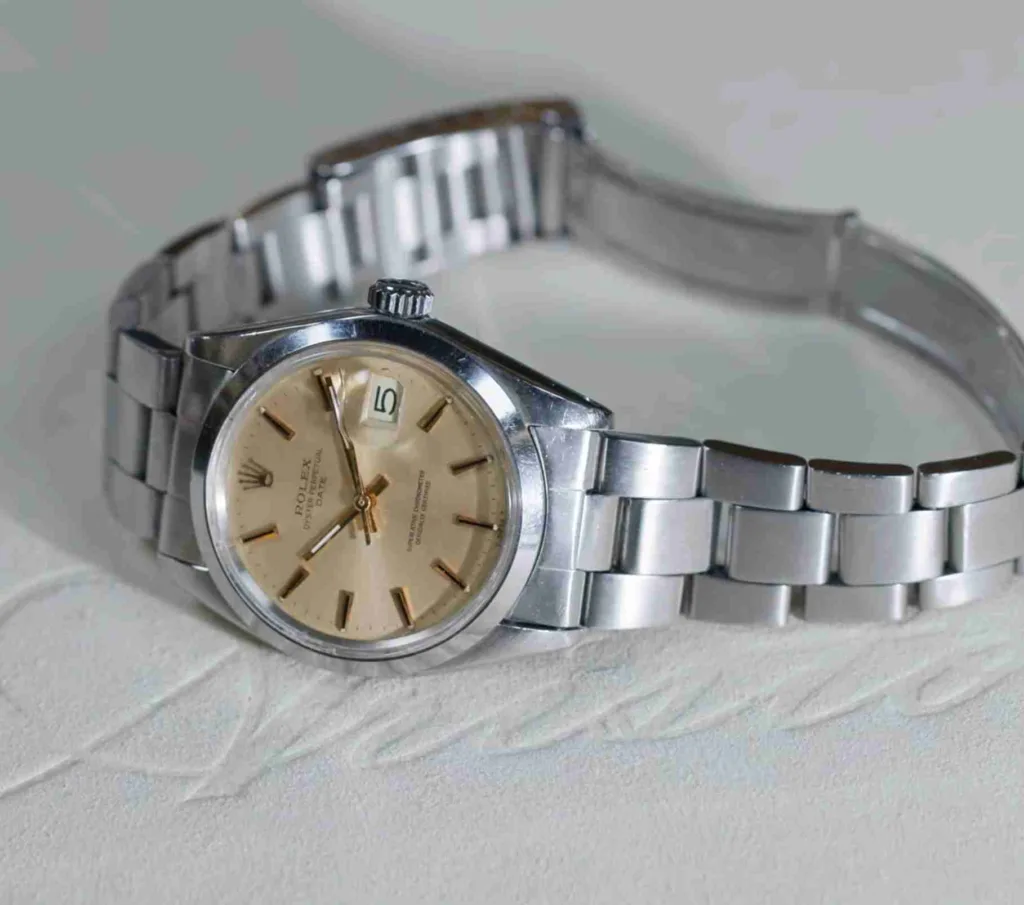
Vintage Rolex ref. 1500
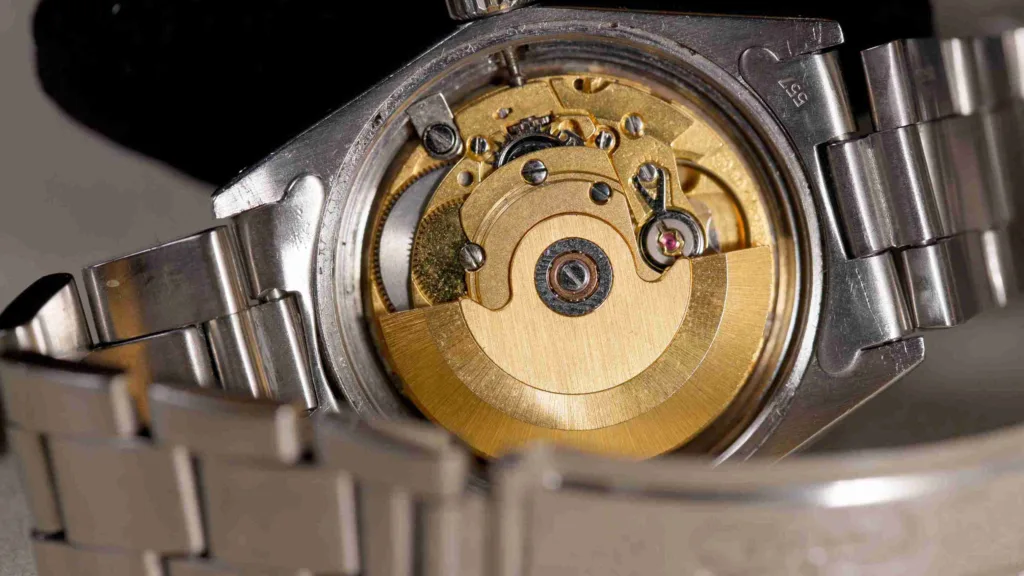
The caliber inside is entirely counterfeit
Sean shared a real-life case study: a client acquired a pre-owned vintage Rolex ref. 1500 at standard market value. The exterior—the case, dial, and bracelet—were all original factory components, presenting absolutely no flaws. However, when the timepiece was handed over for a routine servicing, Sean noted: “The moment I opened the caseback, the core problem emerged—the caliber inside was entirely counterfeit.” This specific type of timepiece is profoundly deceptive. Sean candidly stated: “Judging solely by the exterior, ten out of ten laymen wouldn’t spot a thing, and even experts struggle to authenticate it based purely on outward appearance.” He explained that retrofitting a counterfeit caliber into a genuine case requires precisely aligning the winding stem to the crown center and horizontally stabilizing a structurally thinner substitute caliber—a feat only someone with legitimate horological expertise could execute.
Can this be prevented without opening the caseback? Sean advises “listening to the sound.” Different calibers operate at distinct beat frequencies; listening closely to the rhythm of the escapement can expose irregularities. Nevertheless, he emphasized that the safest approach is always to patronize highly reputable dealers, and to steadfastly insist on an “open-caseback caliber inspection” during the transaction to confirm internal and external authenticity.