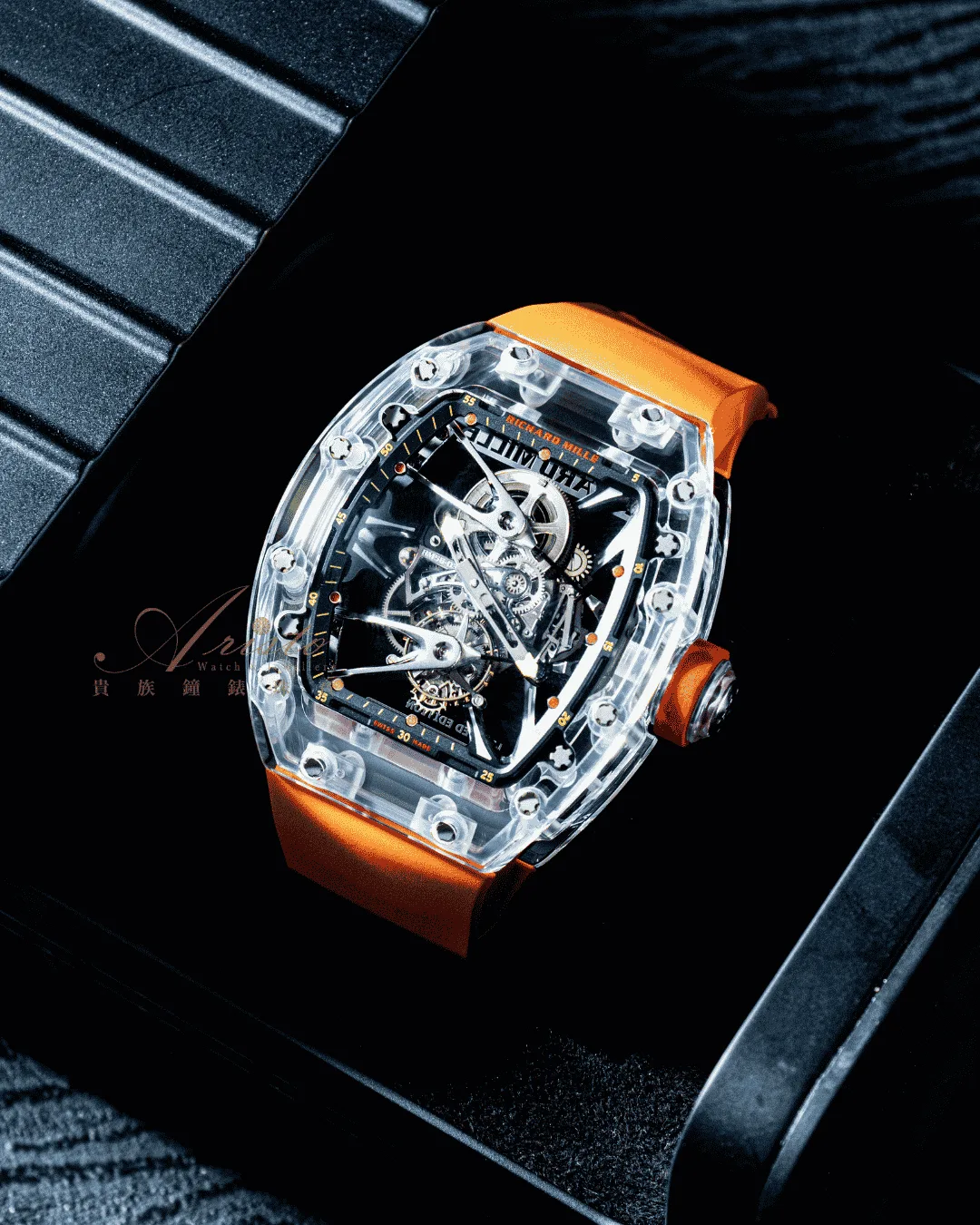
Richard Mille was not the first brand in watchmaking history to create a sapphire crystal case. However, it is undeniable that Richard Mille was the pioneer who broke through technical bottlenecks, machining a solid block of sapphire crystal (comprising the bezel, caseband, and caseback) into an integrated monobloc case. In the past, sapphire crystal was predominantly used for flat watch crystals; evolving it into a three-dimensional structure that conforms to the curvature of the wrist while guaranteeing perfect water resistance was extremely difficult. When discussing the popularization of the sapphire crystal case—a top-tier material—in modern haute horlogerie, and its role in sparking a trend of transparent aesthetics, Richard Mille absolutely must be mentioned.
The Origins of the Sapphire Crystal Case
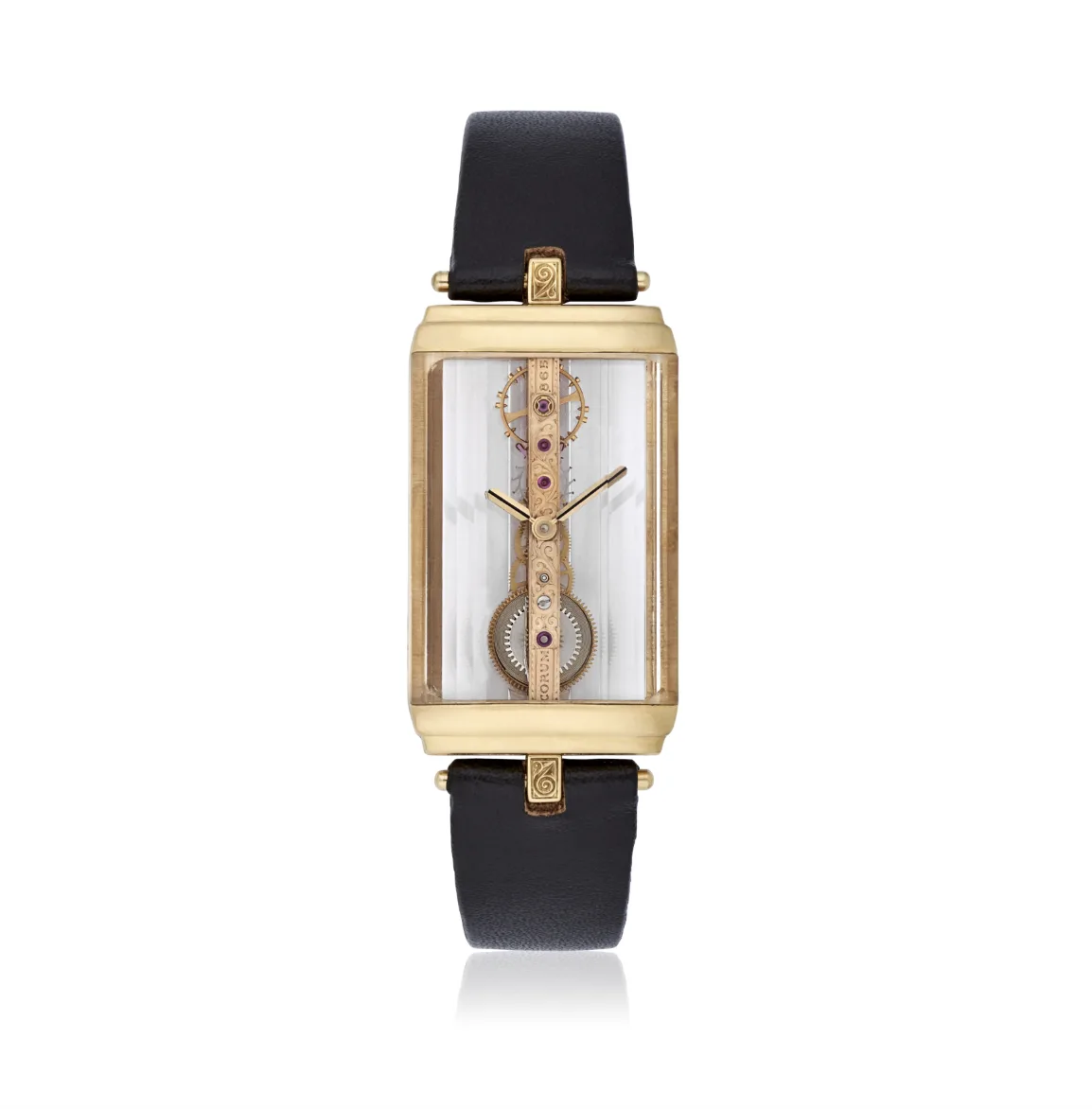
1980 Corum Golden Bridge (From Christie’s)
To trace the historical origins of the sapphire crystal watch, we must look back over forty years. Many novice collectors might assume this transparent technology is merely a high-tech product of the last decade; but in fact, as early as 1980, independent master watchmaker Vincent Calabrese pioneered the use of sapphire crystal for watch cases when designing the Golden Bridge for Corum. To perfectly showcase the highly original linear movement, the case of that watch was composed of two curved sapphire crystals, securely supported by top and bottom gold bases.
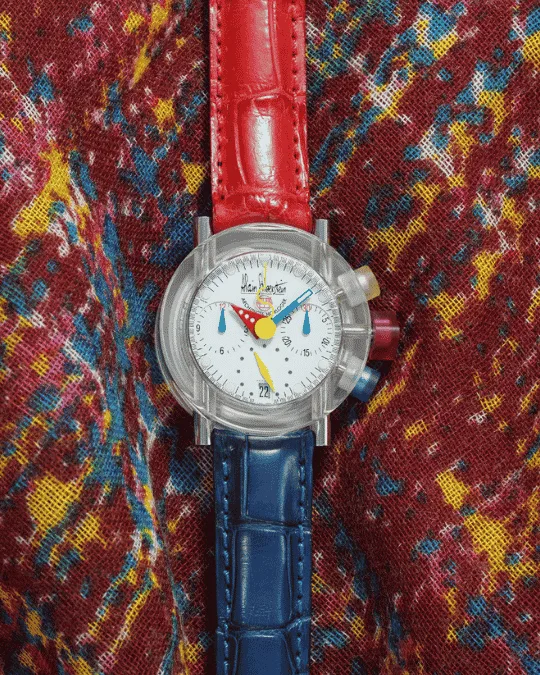
Later, in 1993, Alain Silberstein introduced the Krono Saphir watch. With the exception of the lugs, the entire case was crafted from sapphire crystal, which was incredibly avant-garde for the watchmaking industry at the time. However, early sapphire crystal cases were limited by contemporary cutting and machining technologies, mostly featuring flat, simple geometric lines; creating the smooth, three-dimensional curves or complex internal structures seen in modern watches was almost an impossible task. Therefore, for decades that followed, sapphire crystal was predominantly used merely as a protective “crystal” over the dial. It wasn’t until the quantum leap in modern 5-axis CNC (Computer Numerical Control) machining technology that the path for complex, monobloc sapphire crystal cases was truly paved.
The Driving Force Behind the Sapphire Crystal Trend
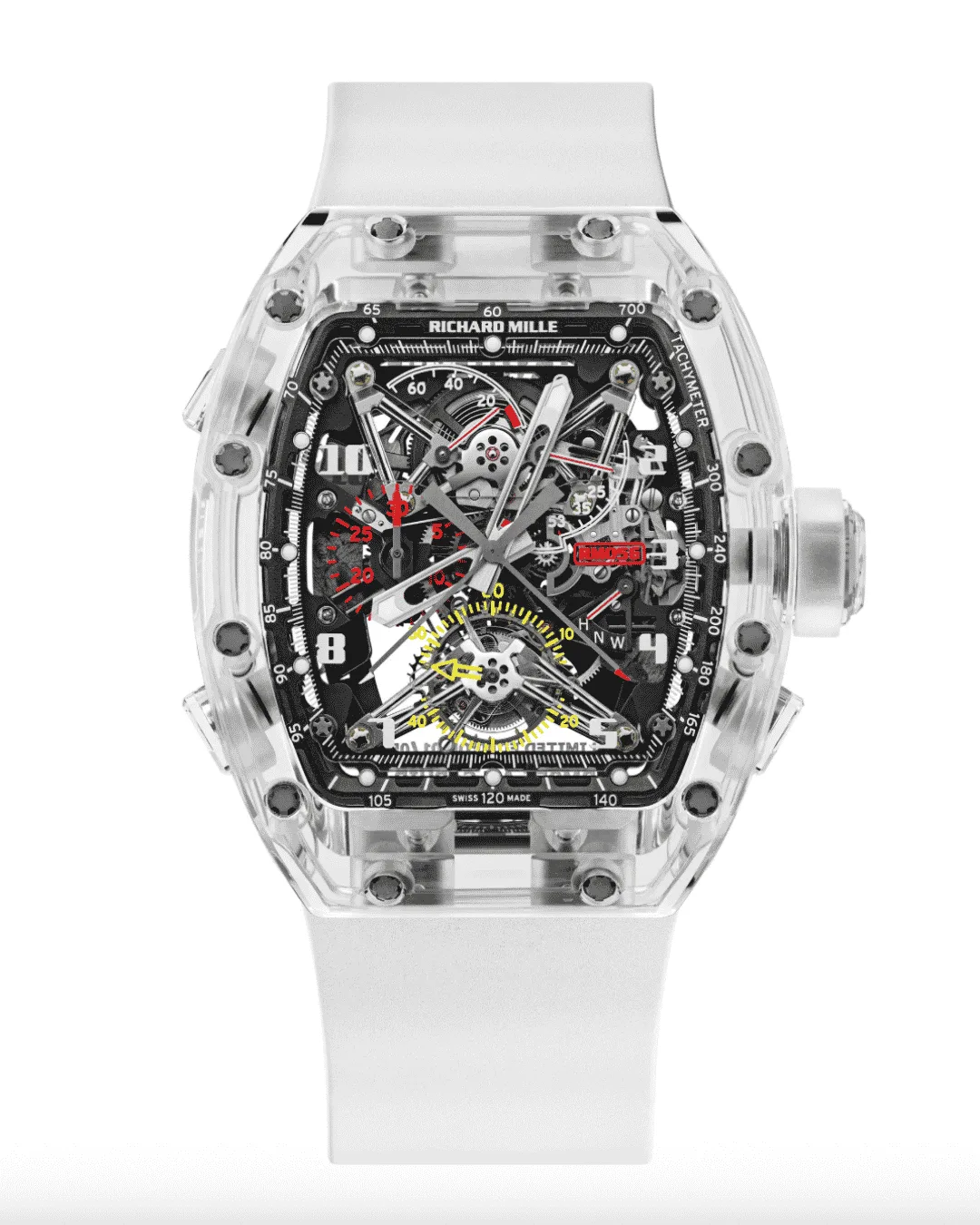
The RM056 introduced in 2012 (From Richard Mille)
RM56-03 (SOLD)
When discussing the key to popularizing sapphire crystal cases in modern high watchmaking, Richard Mille must be highlighted. In 2012, the brand launched the groundbreaking RM056, sculpting sapphire crystal into the brand’s iconic three-dimensional curved tonneau case. This completely shattered the industry’s technical limitations regarding sapphire cases, making them the first brand capable of machining a solid sapphire block into an integrated monobloc case. The unsung hero behind this achievement was Stettler Sapphire, a renowned Swiss facility possessing cutting-edge technology. Ever since Richard Mille introduced the sapphire crystal watch, this “fully transparent” craze has swept through the haute horlogerie world. Many brands (such as Hublot, Bell & Ross, Jacob & Co., and Chanel) subsequently invested massive resources into R&D and launched their own sapphire case models, gradually pushing it toward mainstream popularity.
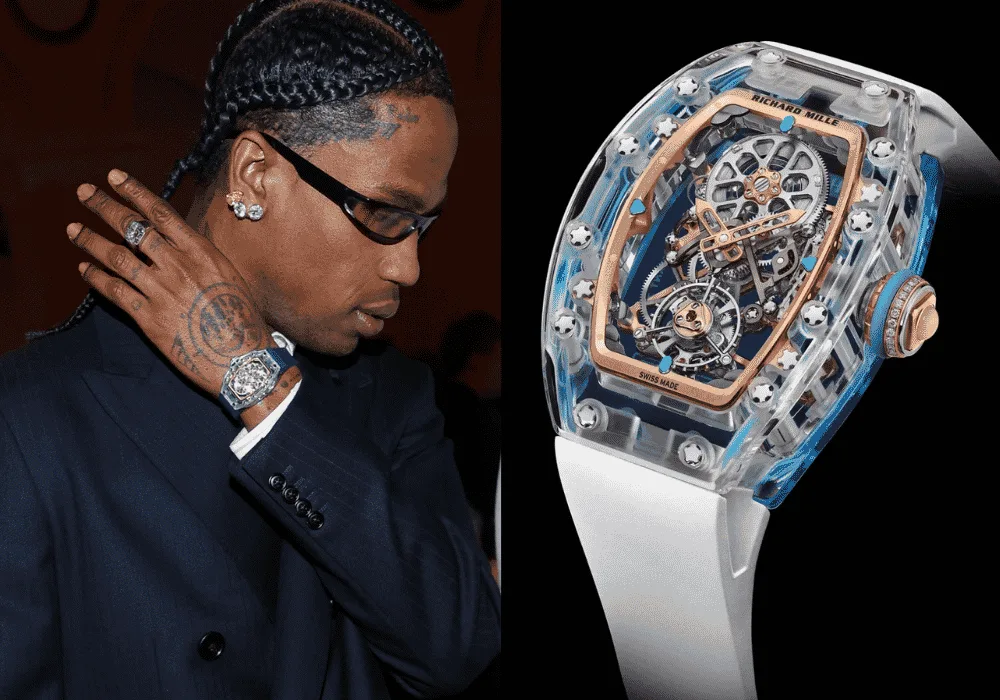
Travis Scott wearing the RM75-01 Flying Tourbillon Sapphire (From Getty Images)
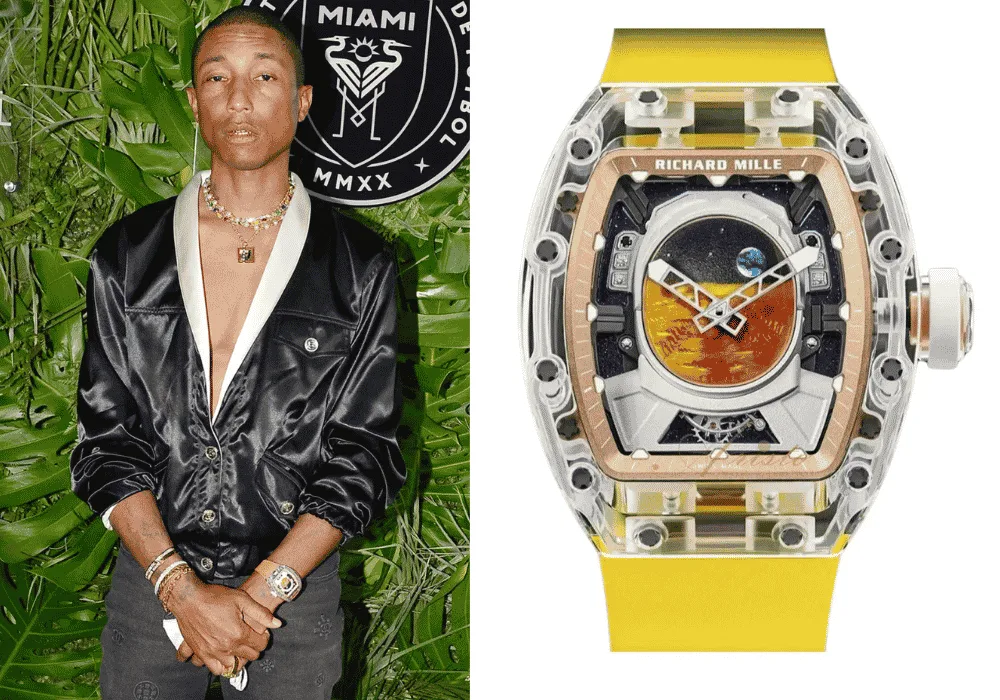
Pharrell Williams collaborated on the design of the RM52-05 Sapphire (From Getty Images)
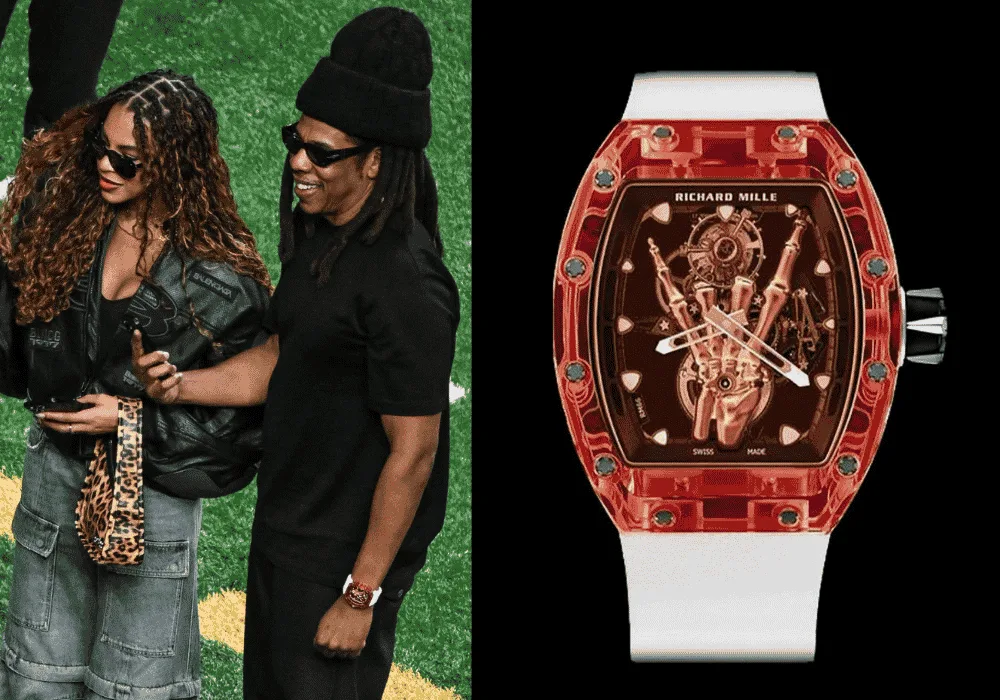
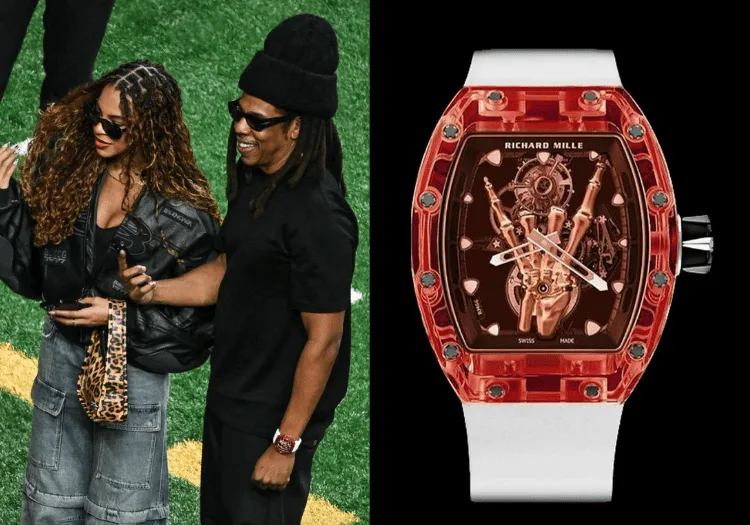
Jay-Z wearing the RM66 Sapphire (From PA Wire)
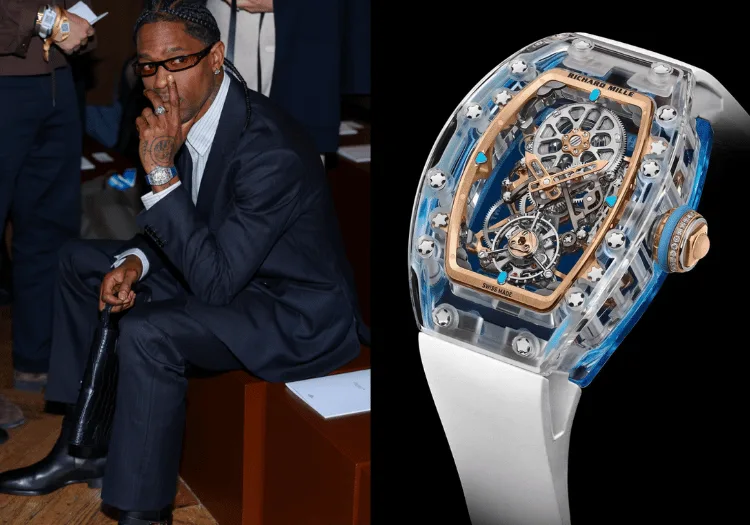
Another key factor driving its massive popularity is the powerful celebrity effect, turning these extremely rare and expensive timepieces into symbols of pop culture and the absolute elite. Many international celebrities are ardent fans of Richard Mille sapphire watches. For example, American rap superstar Travis Scott was spotted wearing the RM75-01 Flying Tourbillon Sapphire, Pharrell Williams participated in designing the RM52-05 Sapphire, and Jay-Z has worn the RM66 Sapphire. It is safe to say that Richard Mille, leveraging its immense brand appeal, made sapphire crystal cases widely known and the ultimate darling of modern collectors.
The Craftsmanship Behind Richard Mille's Sapphire Crystal Cases
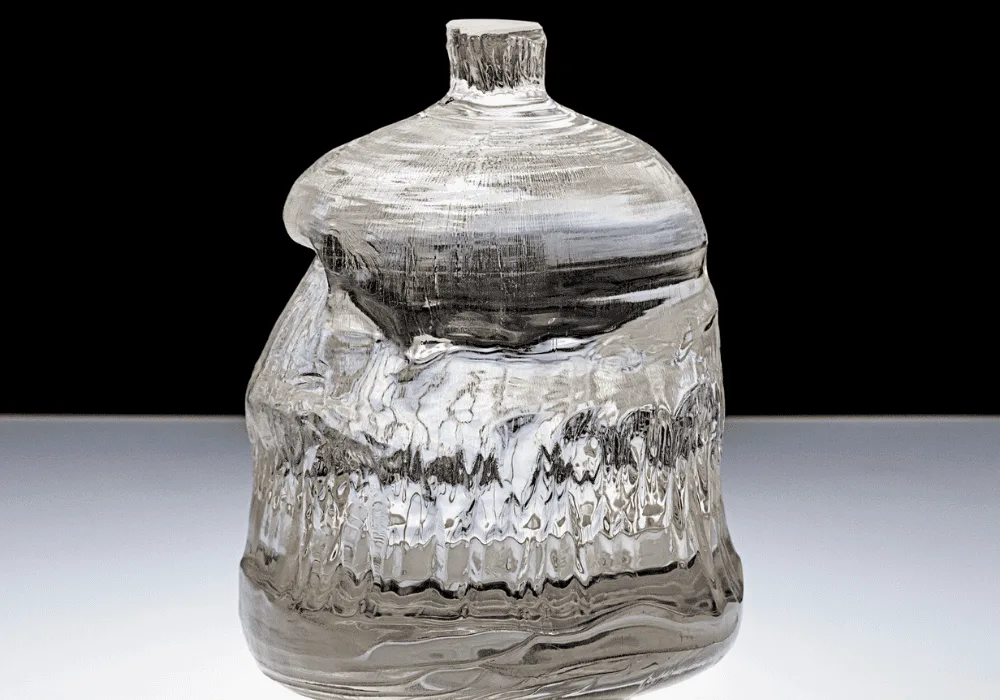
Synthetic sapphire crystal is formed by crystallizing aluminum oxide at extreme temperatures (From Richard Mille)
Understanding the characteristics and manufacturing difficulties of sapphire crystal cases makes it clear why Richard Mille’s sapphire watches are often priced in the tens of millions of Hong Kong dollars and remain exceedingly hard to acquire. Synthetic sapphire crystal is formed by crystallizing aluminum oxide at extremely high temperatures, and its defining characteristic is its extreme hardness. On the Mohs scale, sapphire crystal boasts a hardness of 9; only diamonds (hardness of 10) or a very few specific minerals can cut and polish it. While this extreme hardness endows the case with exceptional scratch resistance, it also brings a high degree of brittleness.
Requires over 1,000 hours of rigorous machining and polishing (From Richard Mille)
During the manufacturing process, whether milling, cutting, or polishing, specialized diamond-tipped tools must be used under incredibly precise temperature and speed controls. The slightest vibration, uneven force, or minute thermal expansion and contraction will cause the invaluable rough crystal to shatter instantly, rendering all previous efforts futile. Crafting a single Richard Mille tripartite curved sapphire case often requires over 1,000 hours of rigorous machining and polishing. The extremely high rejection rate, exorbitant machine wear-and-tear costs, and lengthy production times dictate that crafting a sapphire crystal case is a technical feat challenging the limits of physics. Therefore, the astronomical pricing is absolutely justified by its underlying technology and costs.
Richard Mille Sapphire Crystal Case Recommendations
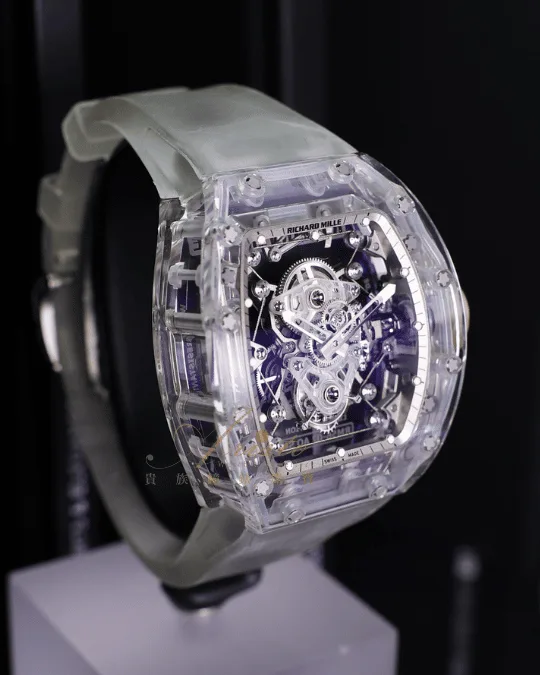
RM56-02 Sapphire Tourbillon
RM56-02 Sapphire Tourbillon
RM56-02 Sapphire Tourbillon is one of the crowning achievements of the brand’s sapphire watchmaking, continuing the crystal revolution initiated in 2012. The most distinctive feature of this watch is the integration of the cable-suspension system—originally used in the RM27-01 sports watch—into a sapphire case. The movement is suspended by ultra-fine metal cables, presenting a visual spectacle as if it were floating weightlessly within a transparent space.
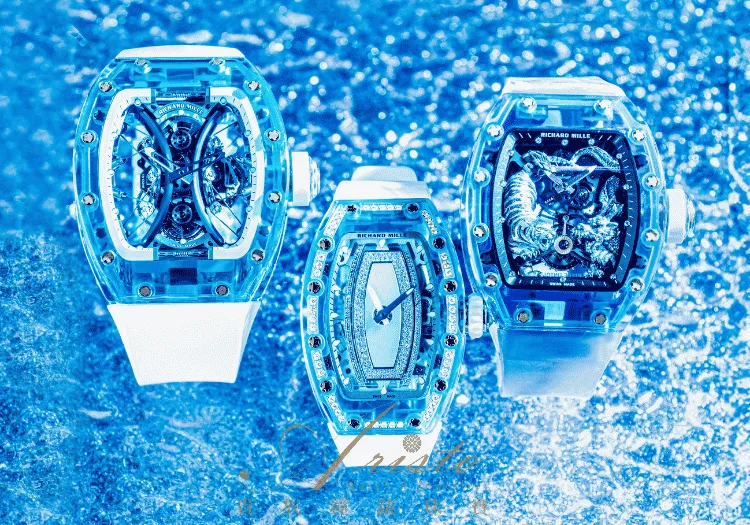
RM51-01 Blue Sapphire
(L)RM53-02 Blue Sapphire + RM07-02 Blue Sapphire One Row + (R)RM51-01 Blue Sapphire
The RM51-01 was originally created to celebrate the movie Crouching Tiger, Hidden Dragon: Sword of Destiny starring international actress Michelle Yeoh, and this exceptionally rare blue sapphire crystal version is limited to just 1 piece worldwide. Brimming with Oriental mythology, the RM51-01 Blue Sapphire features lifelike tiger and dragon motifs sculpted in pure gold by artisans. The two mythical beasts intertwine three-dimensionally between the movement and the transparent case, exuding a majestic aura.
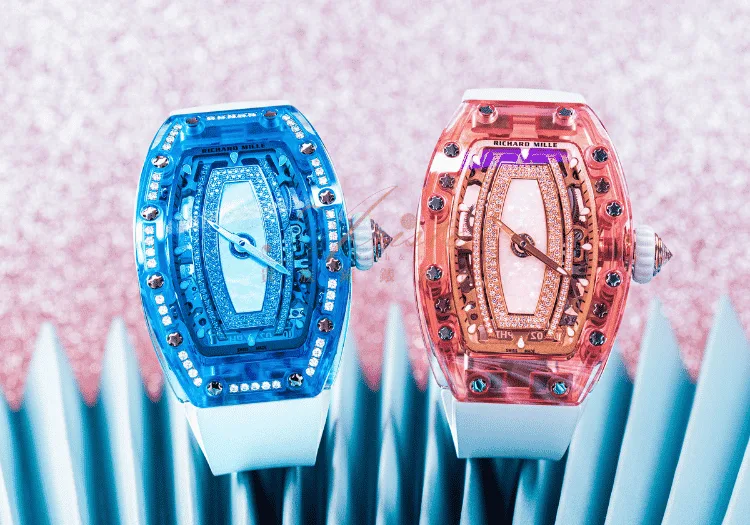
RM07-02 Blue Sapphire One Row + RM07-02 Red Sapphire Pearl
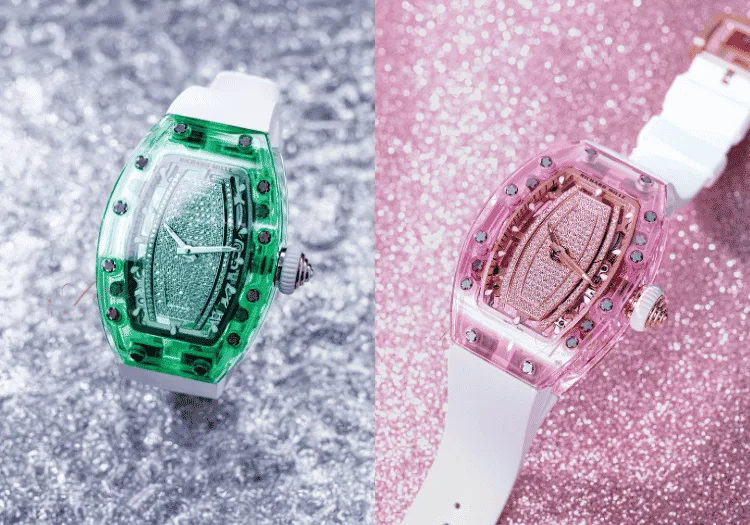
RM07-02 Green Sapphire Diamond + RM07-02 Pink Sapphire Diamond
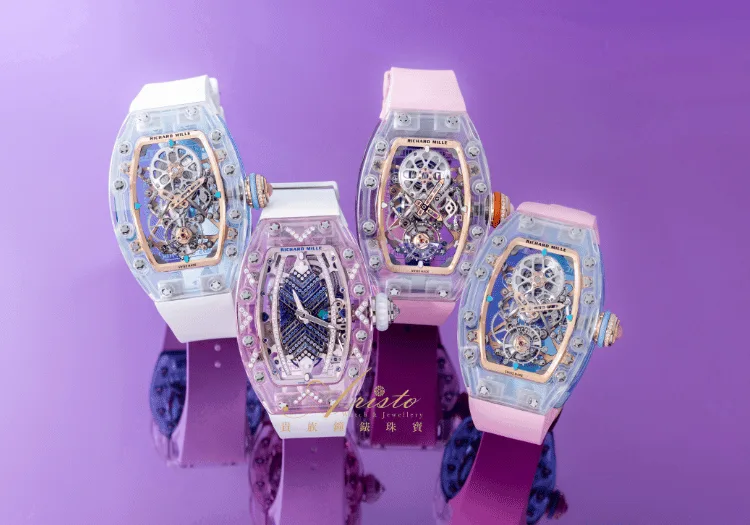
In the past, complex sapphire crystal watches were predominantly aimed at the men’s market, but the RM07-02 is a model specifically crafted for female collectors. Beyond the clear transparent version, the brand successfully developed colored sapphire crystal cases in this series—such as pink, blue, or green—which are notoriously difficult to color-control, exuding an elegant, high-end feminine charm.
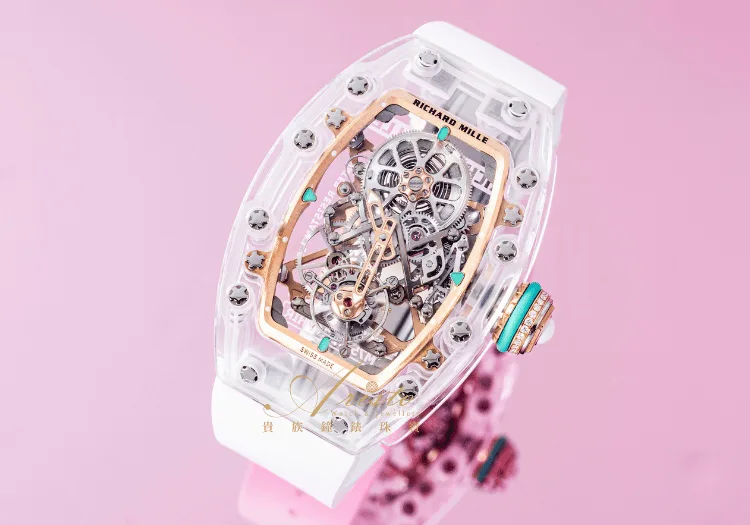
RM75-01 Flying Tourbillon Sapphire
RM75-01 Blue + RM75-01 Lilac Pink + RM07-02 Pink Sapphire
RM75-01 Clear
Travis Scott wearing the RM75-01 Flying Tourbillon Sapphire while attending the Hermès fashion show (From Getty Images)
This represents the brand’s breakthrough in combining architectural aesthetics with sapphire craftsmanship. Its design draws inspiration from the vaults and flying buttresses found in Gothic architecture. The movement is not traditionally fixed to a baseplate but is suspended beneath the hour-marker ring, flawlessly merging the lightness of a flying tourbillon with the translucency of sapphire crystal. Recently, Travis Scott was seen wearing this exact RM75-01 Flying Tourbillon Sapphire while attending the Hermès fashion show.
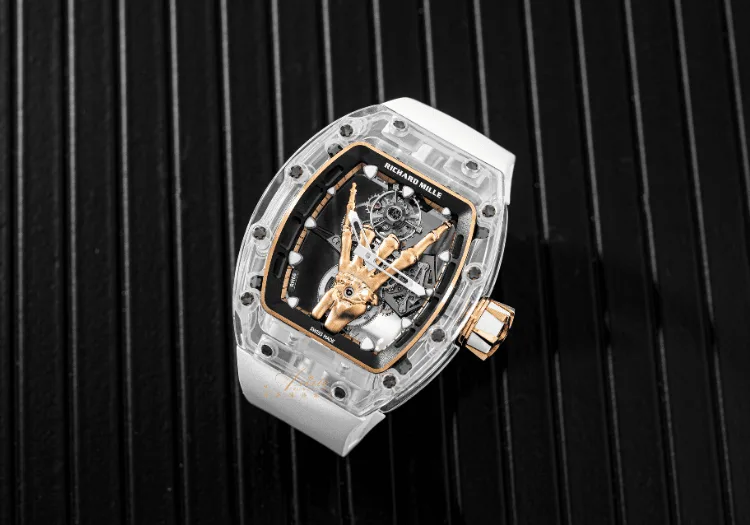
RM66 Sapphire
RM66 Sapphire
Jay-Z wearing the RM66 Red Orange Sapphire during the Super Bowl (From Getty Images)
The RM66 collection is already famous for its deeply rock-and-roll-spirited “Devil’s Horns” openworked red gold hand sculpture. In this RM66 Sapphire version, through the fully transparent sapphire crystal case, one can enjoy an unobstructed profile view of the three-dimensional gold sculpture and intricate movement details. The hour markers are also shaped to mimic guitar picks, a detail that will surely mesmerize music lovers and collectors of avant-garde aesthetics. Years ago, Jay-Z was spotted wearing the incredibly RM66 Red Orange Sapphire during the Super Bowl.
![[Horological Knowledge] Richard Mille Sapphire Crystal Case| Was Richard Mille the First Brand to Create a Sapphire Crystal Case?](https://blog.aristohk.com/wp-content/uploads/2026/07/20260716-111759.webp)




![Read more about the article [Brand Story] Patek Philippe Presidents Philippe Stern and Thierry Stern: The Masterminds Behind the King of Watches](https://blog.aristohk.com/wp-content/uploads/2026/07/Aristo-Blog-Theme-Fatlee-27-768x402.webp)
